
NUTRIENT
ATLAS
A detailed mapping of food composition and density. Discover where vitamins and minerals reside within the natural world to support a balanced lifestyle.
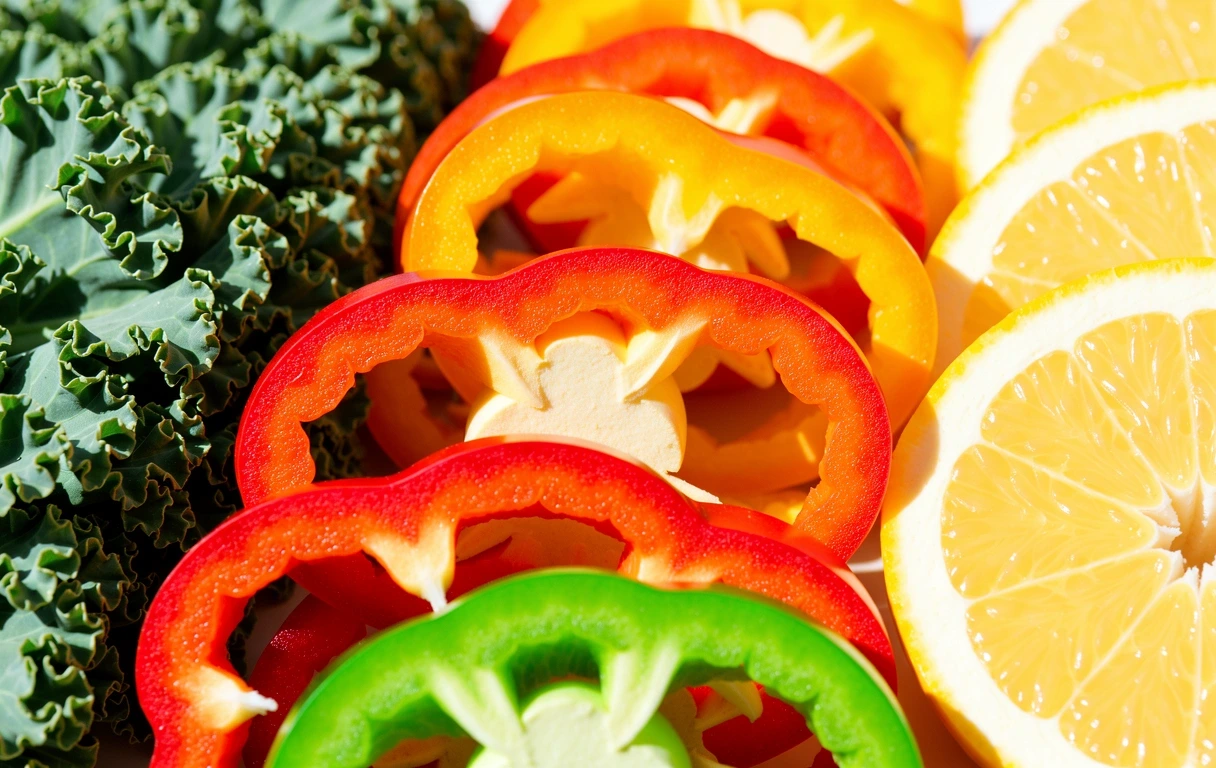
Foundation Components
Understanding the baseline of food analysis requires looking at the building blocks that provide energy and structural support for the body.
Complex Carbohydrates
Unlike simple sugars, complex carbohydrates consist of long chains of sugar molecules. They take longer for the body to break down, providing a steady release of energy. Found predominantly in whole grains, legumes, and starchy vegetables, they are often accompanied by significant fiber content.
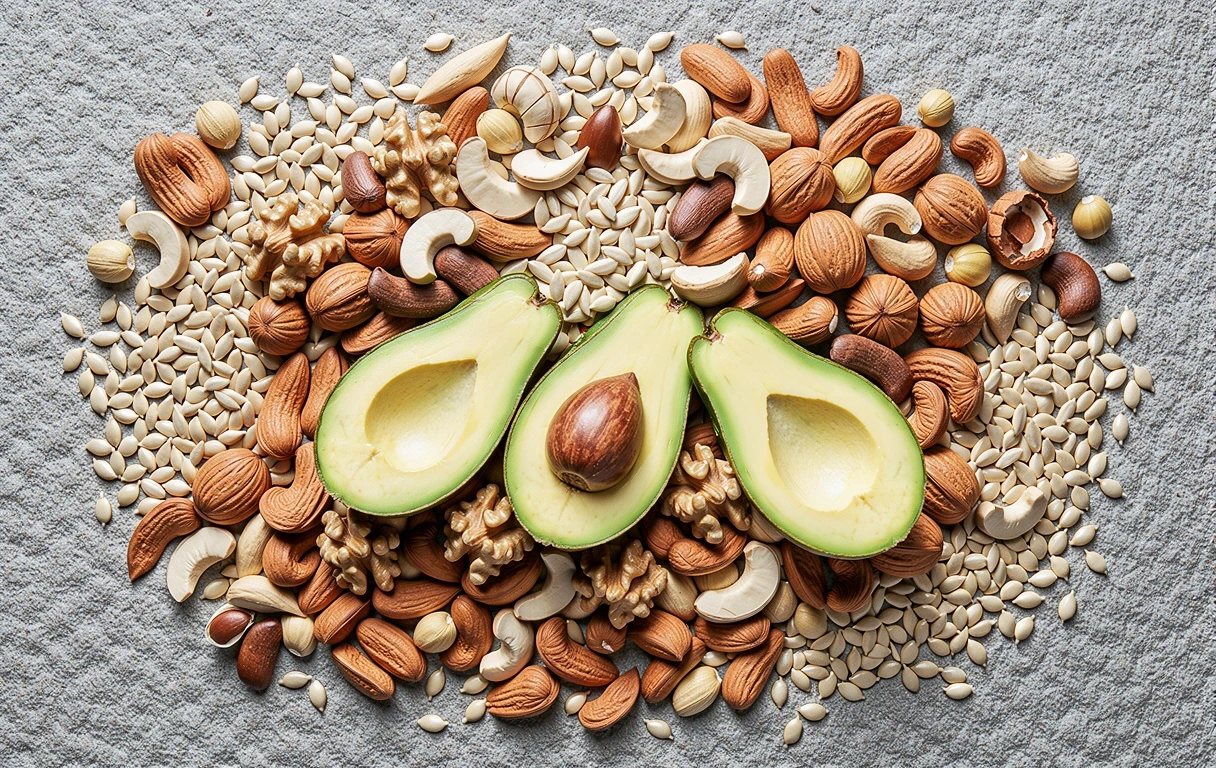
Lipid Architecture
Essential fatty acids, particularly Omega-3 and Omega-6, must be sourced from the diet. We analyze the balance of monounsaturated and polyunsaturated fats in dozens of seed and nut varieties.
MicroNutrient
Density Analysis
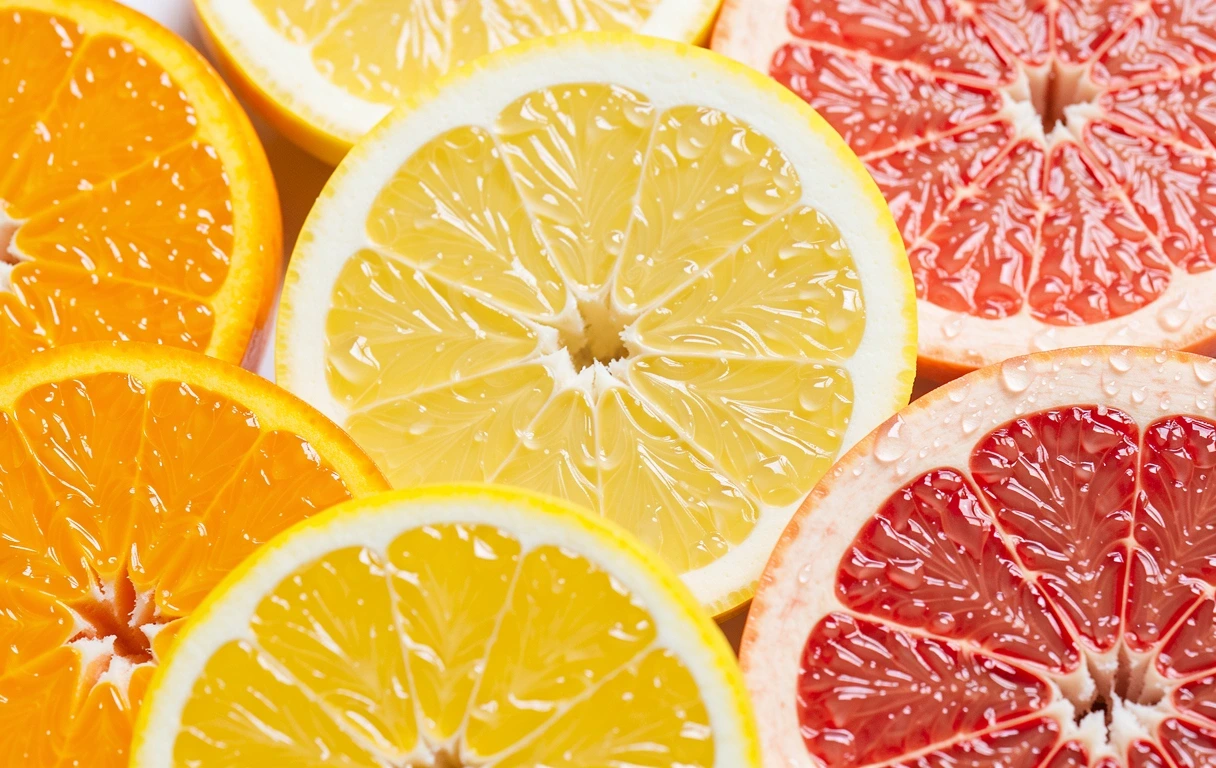
The Vitamin C Profile
Beyond just citrus, Vitamin C (ascorbic acid) is found in significant quantities in bell peppers, strawberries, and broccoli. Our data indicates that cooking methods significantly impact the retention of this nutrient due to its heat sensitivity.
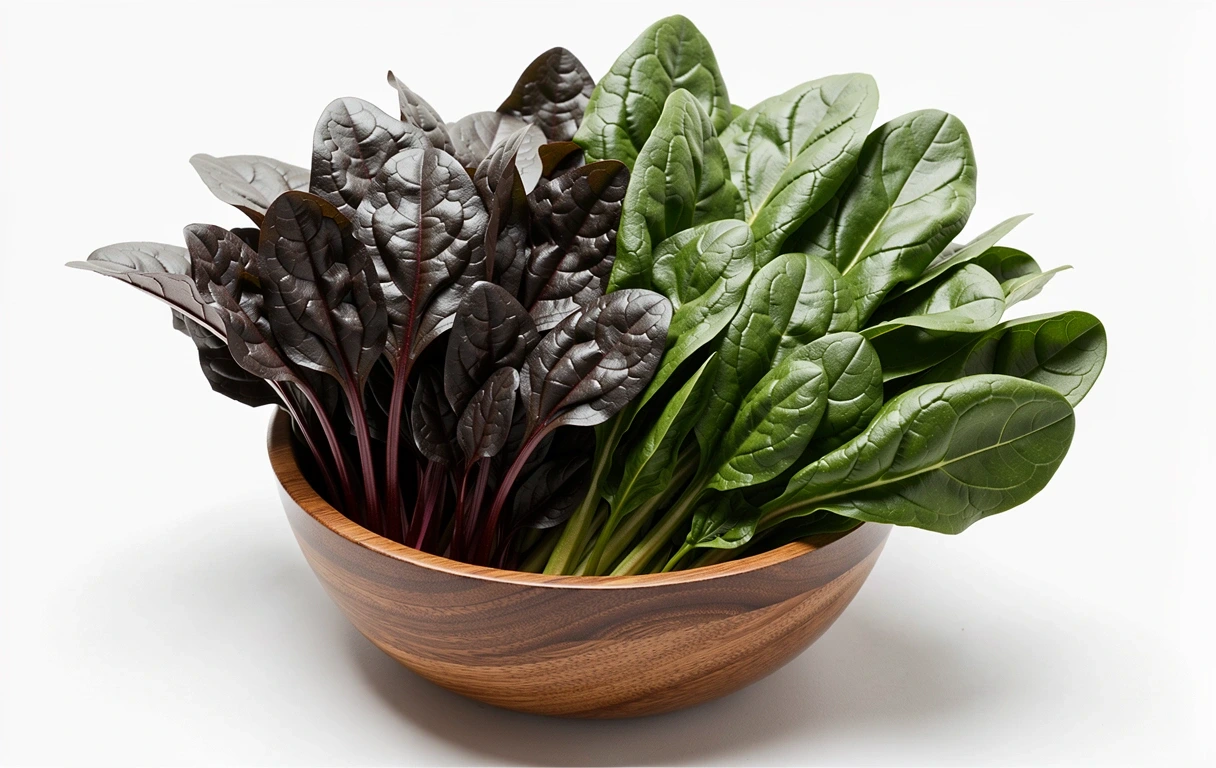
The Vitamin K1 Survey
Phylloquinone, or Vitamin K1, is primarily found in green leafy vegetables. It plays a central role in bone maintenance and blood regulation. Absorption is enhanced when consumed with dietary fats.
Mineral Composition Analysis
Magnesium
Essential for over 300 biochemical reactions. Our data suggests pumpkin seeds and dark chocolate (70%+) as primary sources.
- Pumpkin Seeds
- Almonds
Potassium
Critical for nerve function and fluid balance. While bananas are famous, white beans and potatoes often exceed them in density.
- White Beans
- Lima Beans
Iron (Non-Heme)
Vital for oxygen transport. Plant-based iron sources include lentils, chickpeas, and tofu with high bioavailability markers.
- Lentils
- Tofu
Density Reference Tool
Enter a food weight to see estimated nutrient mapping based on our 2026 standardized composition data.
The Science of Stability
When we discuss food composition, it is important to understand that nutrition is not static. The environment in which a plant grows, the soil quality, and the duration between harvest and consumption all play roles in the final nutrient density. In our current 2026 methodology, we emphasize "freshness windows"—the period during which vitamins like Folate and C are at their peak.
Cooking methods also alter the profile of essential minerals and vitamins. For instance, while boiling can lead to the leaching of water-soluble vitamins into the water, steaming preserves much of the structural integrity of the food. Conversely, some nutrients like Lycopene in tomatoes are more bioavailable after heat treatment, demonstrating that raw is not always the superior form for nutrient extraction.
The VitalCore Path Nutrient Atlas uses standardized benchmarks to help individuals navigate these complexities. We aim to provide clarity, transforming abstract data into practical knowledge for everyday nourishment.
Verification Standard
All data points in this Atlas are cross-referenced with regional food composition databases as of April 2026.
Ready to Deep Dive Into Food Analysis?
Our methodology explains how we verify every data point and food profile in this atlas.
Manchester Headquarters
14 King Street, Manchester M2 6AG, UK
Phone
+44 161 850 2941